Transform Your Vehicle With Premium Auto Tint and Wraps Options
Upgrading a car with luxury auto tint and wraps can markedly improve its look and capabilities. These offerings deliver a fusion of design and protection, catering to individual preferences and demands. From defending against UV rays to enhancing temperature regulation, the advantages are evident. Nonetheless, picking the correct options and installation methods can be overwhelming. Knowing the various aspects of auto tint and wraps is vital to making a well-informed decision. What should one look at next?
The Advantages of Premium Auto Tint and Wraps
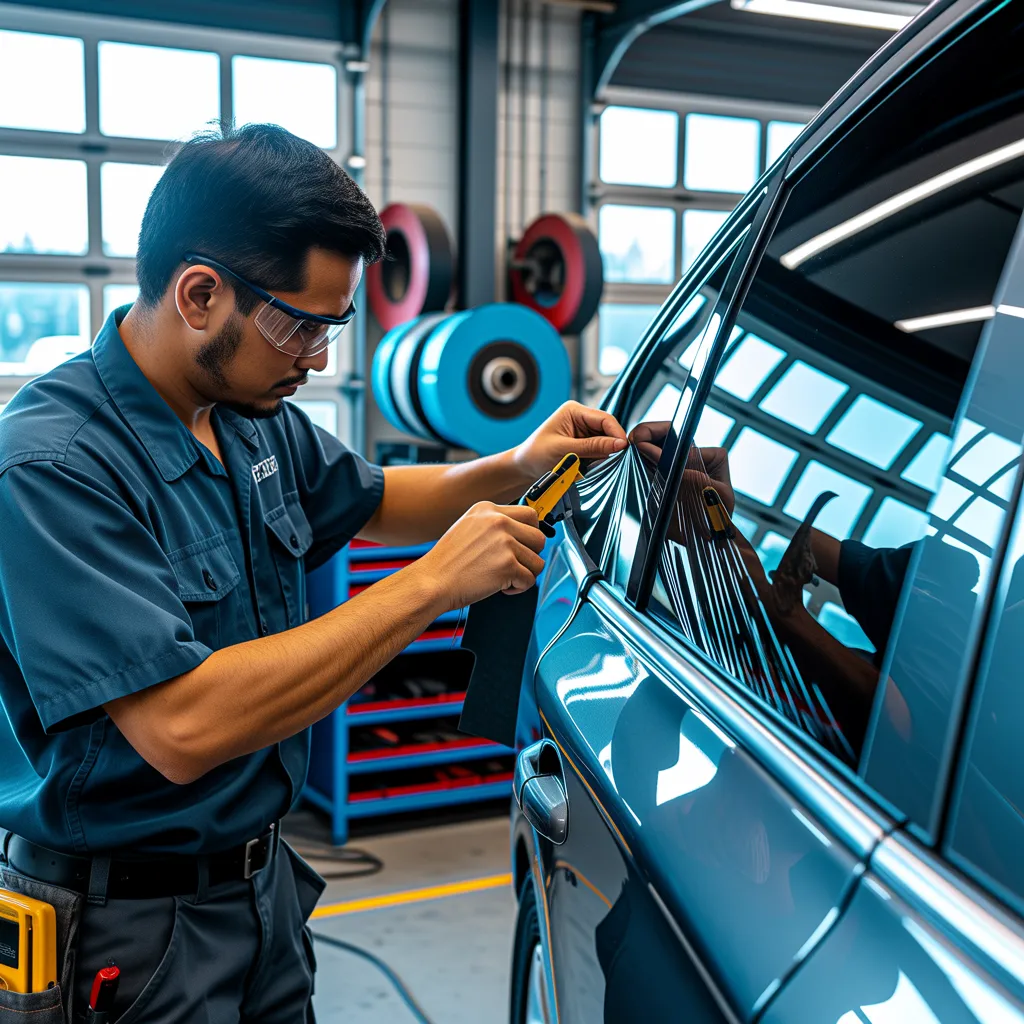
High-quality auto tint and wraps enhance both the visual and practical qualities of vehicles. These applications provide a sophisticated appearance, allowing vehicle owners to showcase their individuality while preserving a refined look. Additionally, premium auto tint acts as a protective barrier against harmful UV rays, minimizing interior fading and protecting passengers from sun exposure. It can also help control vehicle temperature, supporting overall comfort.
Additionally, premium wraps offer a layer of safeguard against minor damage and scuffs, preserving the car's original paint. This can be particularly beneficial for those looking to preserve resale value. Furthermore, wraps can be readily taken off or changed, offering versatility for those who wish to refresh their vehicle's look without a permanent commitment. Overall, premium auto tint and wraps combine style with practical advantages, making them a worthwhile investment for any vehicle owner.
Categories of Auto Wraps to Explore for Your Vehicle
When evaluating vehicle enhancements, auto wraps come in various types, each providing unique benefits and aesthetic options. One popular choice is the full wrap, which covers the entire vehicle, enabling a complete makeover in color and design. This option can greatly alter the vehicle's appearance while also providing protection against scratches and UV damage.
Partial wraps represent a different solution, focusing on designated zones such as the hood, roof, or comprehensive resource doors. This alternative is excellent for those wanting to make a bold move without overwhelming the original paint job.
For organizations, bespoke graphic coverings featuring logos and branding can increase brand awareness and market offerings effectively. Additionally, specialty wraps, containing matte, gloss, and metallic finishes, provide unique textures and visual appeal. Each type of auto wrap fulfills distinct purposes, making it vital to assess individual needs and car specifications when picking the best option.
How to Determine the Appropriate Auto Tint for Your Vehicle
Picking the correct auto tint entails understanding the various types accessible and assuring compliance with lawful requirements. Different tint materials and tints can affect aesthetics, heat reduction, and privacy. Familiarity with regional laws is indispensable to circumvent likely penalties and confirm the selected tint aligns with car needs.
An Introduction of Types of Tint
Picking the appropriate auto tint can remarkably boost both the visual appeal and efficiency of a vehicle. Several tint types are accessible, each offering special perks. Dyed window film is affordable and provides privacy while blocking UV rays. Metalized tints deflect heat and boost durability, making them ideal for climates with intense sunlight. Ceramic window films, though costly, provide superior heat rejection and clarity without disrupting electronic devices. Additionally, hybrid tints merge elements from both dyed and metalized films for a balanced option. When selecting a tint, one should evaluate factors such as heat rejection, visibility, and personal style preferences. Ultimately, the right tint type can revamp a vehicle's appearance while providing essential protection.
Legal Tint Guidelines
Grasping auto tint requirements is vital for anyone contemplating auto tint installation. Each state maintains specific regulations dictating the allowable amount of tint shade, typically measured by Visible Light Transmission (VLT) percentages. For illustration, certain states authorize more opaque tints on rear windows while restricting front-side and windshield tints to paler hues. Furthermore, requirements may vary depending on automobile type, featuring exemptions for select commercial vehicles. It is critical for vehicle owners to research their state's regulations to avoid fines and ensure compliance. Consulting with a professional tinting company can provide understanding and help in selecting the appropriate tint that fulfills both visual wishes and legal requirements. Adhering to these requirements will enhance both the vehicle's look and safety.
Should You Opt for Expert Setup or Try DIY?
When assessing whether to go with professional installation or a do-it-yourself approach for auto tint and wraps, the determination depends on multiple critical elements. Professional installation typically ensures a perfect finish, leveraging experienced professionals acquainted with the nuances of various materials. This knowledge reduces risks tied to misalignment, bubbles, and damage to the vehicle. Additionally, many professionals supply protection plans, giving reassurance against conceivable imperfections.
Conversely, do-it-yourself fans may choose cost savings and the satisfaction of finishing a project independently. However, this method demands a significant investment of time and effort, combined with a learning curve for proper techniques. Errors can result in costly reapplication or even damage, potentially negating initial cost reductions.
At last, individuals should examine their ability, resources, and expected result, considering the positive aspects of professional assurance against the allure of a hands-on project. Each choice brings unique advantages tailored to distinct priorities and contexts.
Guidelines for Caring for Your Auto Tint and Wraps
Preserving auto tint and wraps is vital to keep their aesthetic quality and lifespan, as neglect can trigger premature fading and peeling. Regular upkeep requires delicate washing with a neutral pH cleanser and a delicate microfiber rag to shield from scratches. It is essential to eliminate abrasive cleaners and tools that might damage the surface.
In addition, car owners should allow the tint or wrap to cure completely, usually for about a week, before exposing it to extreme weather conditions. Parking your vehicle in shaded areas or applying a car cover can protect the finish from UV rays and pollutants.
Moreover, it's wise to keep areas devoid of waxes or sealants, as these can hinder the tint's adhesion. Finally, ongoing evaluations for any indications of peeling or deterioration will help fix problems early, ensuring the vehicle remains in excellent condition.
Locating Reliable Tint and Wrap Solutions in Your Neighborhood
Where can one discover trustworthy tint and wrap services in your area? Individuals looking for trusted services should begin by conducting online research. Search engines can offer a list of local businesses with customer reviews, ratings, and service details. Social media platforms and community forums also work as helpful tools, where users exchange personal experiences and recommendations.
Furthermore, requesting friends, family, or colleagues for referrals can result in reputable providers. Checking out local automotive shops can provide details about professional window tinting and vehicle wrapping, as numerous shops work alongside such experts.
Once potential candidates are identified, it is prudent to review their certifications and portfolio, ensuring high standards and expertise. Comparing quotes and warranties can also aid in making an informed choice. Ultimately, thorough research and personal recommendations are crucial for finding reputable tint and wrap services that will improve a vehicle's look and functionality.
Frequently Asked Questions
How lengthy is the Installation Process generally?
Performing the application usually takes two to five hours subject to your vehicle's size and how intricate the tint or wrap is. Other considerations like readying the surface and drying time may also influence the total duration.
Will Auto Tint Impact My Vehicle's Coverage?
Auto tint generally does not void a car's coverage, as long as it is expertly installed and complies with manufacturer guidelines. However, it's recommended to check particular warranty conditions to confirm coverage remains intact.
Is It Possible to Remove Wraps Without Harming the Paint?
Wraps can generally be removed without damaging the paint if applied correctly. However, factors such as the age of the wrap and paint condition may influence the outcome, so vigilance should always be exercised during removal.
What Legal Limitations Apply to Tint Darkness in My Location?
Legal restrictions on tint darkness differ by region. Individuals should review local laws or regulations to ensure compliance. Failure to adhere to these guidelines may result in fines or the need for removal.
What approaches should I take to ensure my tint supplies adequate UV protection?
To establish if tint is UV-protective, one can inspect product specifications for UV levels, ask the technician, or seek out labels denoting UV-absorbing features. Running tests with a UV reader can also give proof.